Choosing the right safari boot can make or break your African adventure. From the sandy tracks of the Kalahari to the rugged kopjes of South Africa, your footwear needs to balance protection, breathability, and “stealth” for stalking.
Identify Your Terrain & Style
Before buying, ask yourself what kind of safari you’re going on:
Rugged & Arid: If you’re hiking challenging, dry landscapes, you need a boot built for stability and heat management.
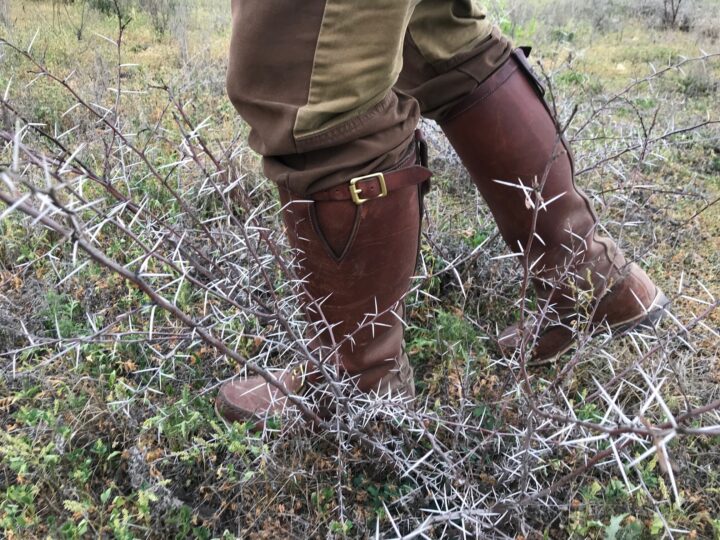
Thick Brush & Thorns: Look for reinforced lowers (vamps) to protect against jagged rocks and acacia thorns.
Stealth Stalking: For hunters, a “silent” sole is critical. Traditional rubber can be too noisy; some prefer thin leather soles to “feel” the ground and avoid snapping twigs.
Today we outline the characteristics and features of Gokey’s collection of safari boot designs and how each is uniquely qualified to meet the demands of your specific needs and environment.
The Simba Safari Boot: “The All-Rounder”
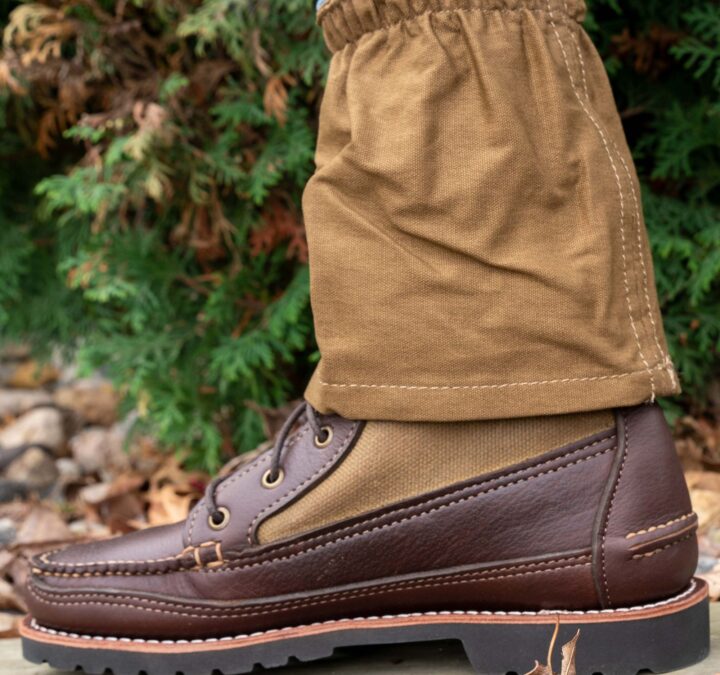
The Simba Safari Boot (Swahili for “Lion”) is designed for long days in warm, arid weather.

The CHUI Boot: “The Powerhouse”
The Chui Safari Boot (Swahili for “Leopard”) is built for those who need Land Rover levels of support.

Characteristics:
Protection: Features hardwearing bullhide lowers that are double-layered around the bottom and toe for maximum protection against thorns.
Lining: Fully leather-lined for durability and comfort.
Sole: Sturdy Vibram Gum Lite sole to handle jagged rocks while remaining lightweight.
Best For: Harsh thorn, bush environments and rocky tracks where foot protection is non-negotiable

The Shadow Hunter: “The Stealth Specialist”
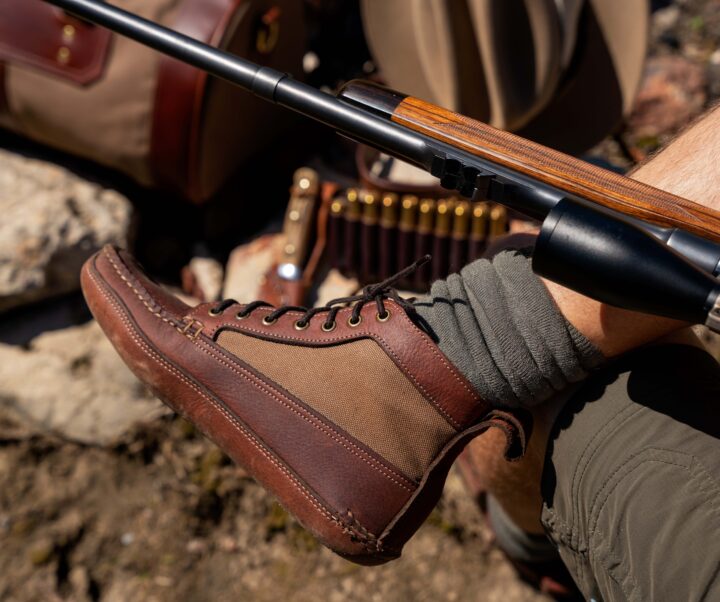
The Shadow Hunter Boot is a throwback for primitive sneak and stalk hunting methods.

Key Features to Look For
Regardless of the brand, ensure your safari boot has these “non-negotiables”:
Breathability: High temperatures can cause feet to swell. Leather and canvas hybrids (like the Simba and CHUI) allow heat to escape.
Gusseted Tongue: A fully gusseted shaft (where the tongue is stitched to the sides) keeps sand, debris, and insects like tsetse flies out of your boot.
Ankle Height: A 6” to 8” boot provides enough support for uneven ground without being as heavy as a full mountaineering boot.
Neutral Colors: Opt for tans, browns, or olives to blend into the bush.
The Finishing Touch
A pair of rugged ankle gaiters can be an extremely valuable asset in keeping debris from entering your boot tops and providing lower leg protection against sticks, thorns and other sharp objects that can inflict injury during your hunt. Boyt Safari Gaiters https://www.boytharness.com/products/safari-gaiters are well worth spending a few extra bucks for the additional layer of comfort and security they provide while trekking through unforgiving safari terrains.